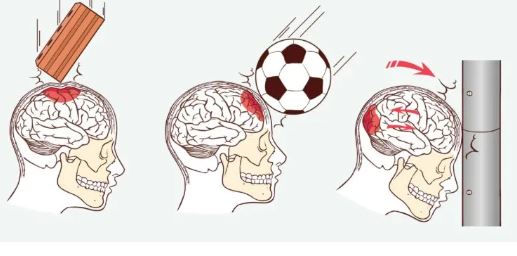
Great question. This is often misunderstood.
Short answer: A helmet helps, but it doesn’t prevent all brain injuries.
 What Helmets Do:
Protect against skull fractures and other serious head trauma
Reduce the force of impact to the head and brain
Prevent external injuries, like cuts or bruises
 What Helmets Don’t Do:
They don’t stop the brain from moving inside the skull.
Even with a helmet, a sudden fall or collision can cause the brain to shift or twist inside the skull. This movement is what leads to concussions and other forms of traumatic brain injury (TBI).
 Think of it like this:
A helmet is like a seatbelt in a car. It dramatically reduces the risk of serious injury or death—but it doesn’t eliminate all risk. You can still get hurt even while buckled in, just as you can still get a brain injury while wearing a helmet.
 Why This Matters for Vision:
Even a “mild” head bump while wearing a helmet can result in Post-Traumatic Vision Syndrome or other subtle brain-based vision issues. These may show up as:
Reading difficulties
Eye tracking problems
Headaches
Dizziness or nausea
Sensitivity to light or motion
That’s why a functional vision assessment is important, especially if a child has had a fall or accident—even if they were wearing a helmet and “seemed fine” afterward.