Brain Injury could be Undiagnosed, Is It Possible That the Functional Vision Assessment Could Pick It Up?
Yes, Absolutely.
The Role of Functional Vision Assessments in Detecting Brain Injury
Vision is a direct extension of the brain—over half of the brain’s pathways are involved in visual processing. As a result, any insult to the brain can impact visual function. Functional vision assessments are powerful tools in detecting these subtle changes, especially when traditional imaging like MRI may not show clear structural damage.
A functional vision assessment can include tests such as:
Visual color field testing
Pupillary light reflex evaluation (including Alpha-Omega pupil testing)
Eye movement and tracking analysis
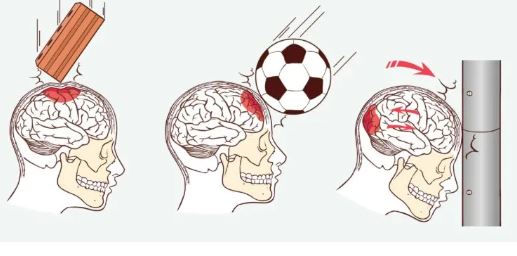
These tests are sensitive to detect disruptions in visual processing and integrity of retina cells function caused by brain injury—even in cases without a formal diagnosis of concussion. This is critical because patients may present with Post-Traumatic Vision Syndrome (PTVS) even after seemingly minor head impacts, such as bumping into furniture, falling off a horse, or getting hurt on a playground.
Key Symptoms of Post-Traumatic Vision Syndrome:
Headaches and dizziness
Words appearing to move or blur while reading
Difficulty with tracking lines of text (skipping lines, avoiding reading)
Reduced attention span and concentration
These symptoms can persist for days, months, or even years after the initial trauma. researches has been showed that accumulating small head trauma will add up. Patients who have one head trauma often suffer with multiple head injuries.
Importantly, there is no such thing as a “mild” brain injury—any brain injury is significant and warrants careful evaluation, especially a careful functional vision assessment.
Even advanced neuroimaging techniques like MRI may not detect subtle or functional changes, making functional vision assessments essential in the diagnostic process. For this reason, eye-tracking technology is increasingly used as a sideline screening tool in contact sports to quickly detect signs of concussion. After the head injury, a full length functional vision care is a must for rehabilitation. functional vision field test and syntonics is essential for restoration of cell function and recovery,
In summary, functional vision testing provides a highly sensitive and clinically valuable means of identifying visual dysfunction resulting from brain injury. It emphasizes the importance of taking even minor head trauma seriously and evaluating visual symptoms thoroughly by neuro rehabilitation Optometrists.