Understanding “No History of Head Injury”: What Parents Need to Know
As vision care providers, we often hear parents say things like:
“She has no history of head injury—but she bumps her head a lot at the playground.”
- her teacher sent notes home with her saying she bmuped head and cried and put ice on the injury and she is fine;
“She fell off her bike, but she had a helmet on, and the school said she was fine.”
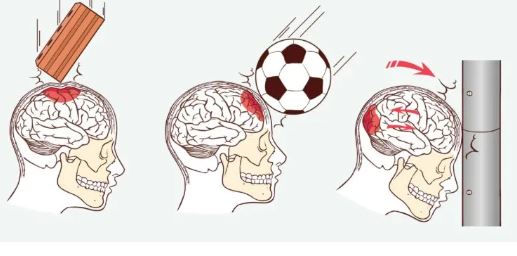
These types of incidents are head injuries.
🚨 What Counts as a Head Injury?
Any bump, blow, or jolt to the head—whether it results in visible symptoms or not—can affect the brain. Children may not immediately show signs, but they may still experience functional changes in how their brain and vision systems work.
Common scenarios that can result in brain-related vision symptoms:
Falling off a bike or scooter (even with a helmet)
Running into playground equipment
Bumping into walls or furniture
Falling from a slide, swing, or monkey bars
Collisions during sports or rough play
🧠 “But the MRI was normal…”
That’s okay—and expected! MRIs are excellent for finding major structural issues, like bleeding or tumors, but they can’t detect subtle functional changes in how the brain processes vision. That’s where functional vision assessments come in—they can uncover problems that imaging can’t.
👀 Why Vision Matters After a Head Bump
Vision is deeply connected to brain function. When the brain is disrupted, visual skills—like tracking, focusing, eye teaming, and processing what’s seen—can suffer. Kids may experience:
Headaches or eye strain
Dizziness or nausea
Trouble reading or concentrating
Poor coordination or balance
Sensitivity to light
These symptoms may not appear immediately and can persist or worsen over time.